
Topics
Latest articles
Sort: Newest

Management Fee vs Performance Fee: What Reaches the Investor
A management fee is charged as a percentage of assets under management, regardless of performance. A performance fee is...

What Is Liquidation in Crypto — and How Does a Cascade Happen?
Liquidation in crypto is the forced closure of a leveraged position when the collateral backing it falls below the excha...

What a Negative Funding Rate Means — and What It Does to a Carry
A negative funding rate means the perpetual futures contract is trading below the spot price, and at each settlement sho...

Proof of Reserves: What It Proves, and What It Doesn't
Proof of reserves is an exercise in which a crypto exchange demonstrates that it controls a quantity of assets, usually...

Earning Interest on Stablecoins: Who Holds Your Money?
Earning interest on stablecoins means handing them to someone who will deploy them, and the structure you hand them thro...

How Do Perpetual Futures Work?
A perpetual futures contract is a derivative that tracks the price of an underlying asset with no expiry date, held in l...

What Is a Cash and Carry Trade? The Structure Behind Crypto Funding Capture
A cash and carry trade is an arbitrage that buys an asset in the spot market and simultaneously sells a futures contract...
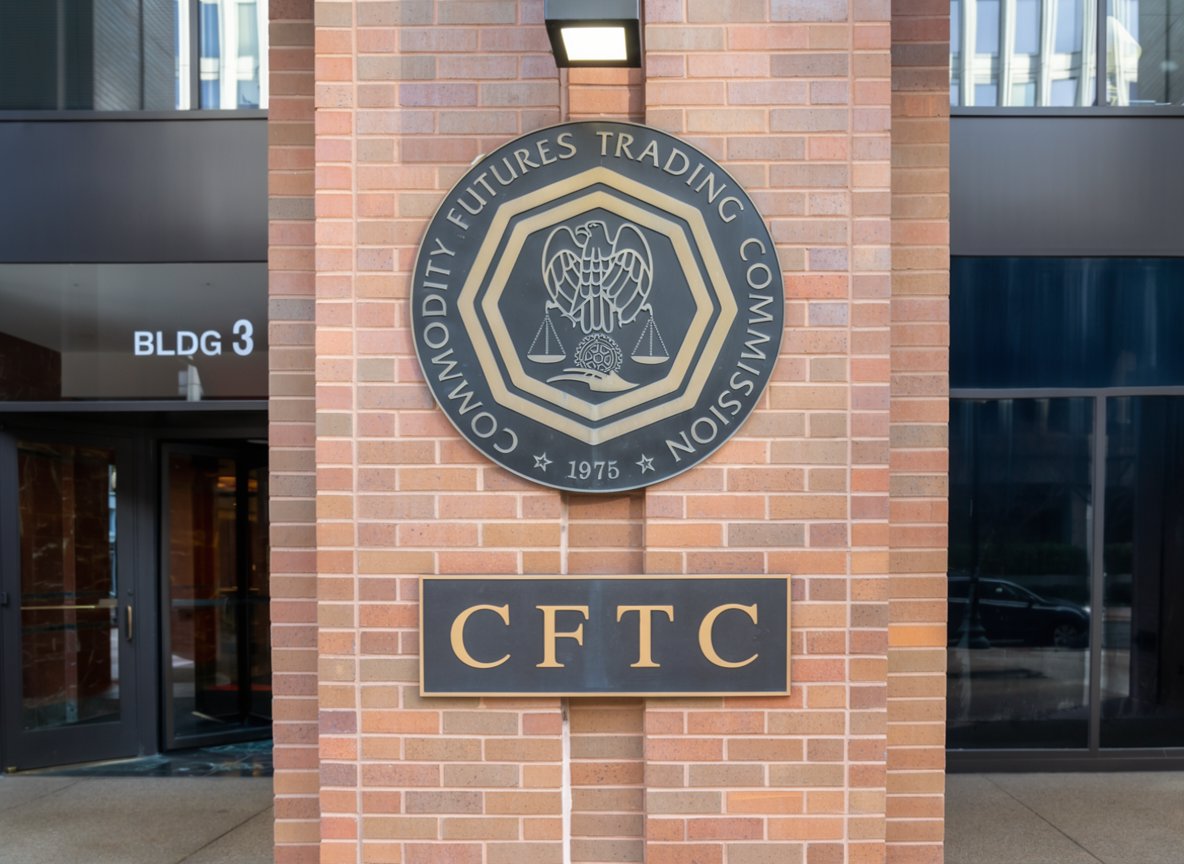
CFTC-Approved Perpetual Futures: Where US Access Stands Now
Perpetual futures are now available to US traders through CFTC-regulated channels. On 29 May 2026 the Commodity Futures...

Where Stablecoin Yield Actually Comes From
Stablecoin yield comes from four distinct sources: interest on the reserves backing the stablecoin, lending it to borrow...